Diamond
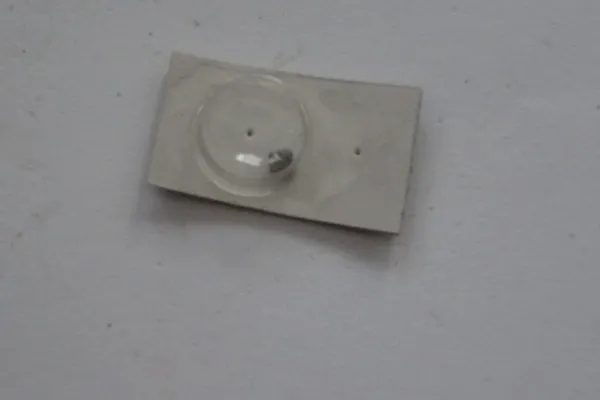
| ID | 256 | |
|---|---|---|
| Mineral | Diamond | |
| Location | South Africa | |
| Fluorescence | LW-UV: close SW-UV: close |
|
| Mindat.org |
View Diamond information at mindat.org |
|
Mindat data
| ID | 1282 |
|---|---|
| Long ID | 1:1:1282:5 |
| Formula |
C
|
| IMA Status |
0 1 |
| Other Occurrences | Deep mantle-derived rocks such as kimberlites, lamprophyres, and others. With decreasing pressure, the diamonds dissolve back into the rock. To occur and survive in a metastable state at the surface they must arrive from depth quickly and very often crystals show dissolution features because the transport to the surface is not quick enough. Since diamond is extremely hard, it survives in alluvia. |
| Industrial | Cutting and grinding due to extreme hardness. Used for the windows on the Venera spacecraft to photograph Venus' surface. |
| Diapheny | Transparent,Translucent,Opaque |
| Cleavage | Perfect octahedral {111} |
| Tenacity | brittle |
| Colour | Colourless, yellowish to yellow, brown, black, blue, green or red, pink, champagne-tan, cognac-brown, lilac (very rare) |
| Hardness (min) | 10.0 |
| Hardness (max) | 10.0 |
| Luminescence | Some stones fluoresce pale blue, green, yellow, and, rarely, red. |
| Lustre | Adamantine |
| About the name | From Greek "adamas", 'invincible'. First known use by Manlius (A.D. 16) and Pliny (A.D. 100). |
| Streak | none |
| Crystal System | Isometric |
| Cleavage Type | Perfect |
| Fracture type | Irregular/Uneven |
| Morphology | Octahedral crystals, also dodecahedrons, cubes, tetrahedral. Often has curved faces. |
| Twinning | macle is a spinel twin {111} |
| UV | Some - blue, also phosphorescent |
| Thermal Behaviour | Greatest thermal conductivity known. A sizeable stone held in the hand feels cold, hence the slang name "ice". |
| shortcode_ima | Dia |
Details
Price: € 5
Dimensions: Not registered
Weight: Not registered
Visibile in overview:
Notes:
| Symbol | Element | |
|---|---|---|
| C | Carbon |